Introduction
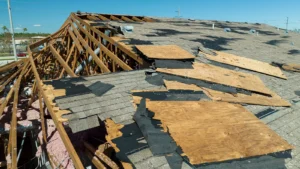
A roof replacement rarely shows up on your schedule. It usually arrives as a surprise — a leak after a heavy rain, granules collecting in the gutters, or an inspection report you weren’t expecting. And right behind the surprise comes the question almost every homeowner dreads: how much is this going to cost, and how am I going to pay for it?
This guide is built to answer both. We’ll walk you through realistic cost ranges, what drives them up or down, how to determine whether a repair might be enough, and every financing path available to you — including the ones most roofing content conveniently skips. By the time you reach the end, you’ll have a clear framework for making a smart, confident decision rather than a rushed one.
One note before we begin: roofing costs vary significantly by region, material, and home size. We’ll give you honest national ranges throughout, and where local pricing matters most, we’ll point you to the right place.
How Much Does a New Roof Cost? Realistic Ranges to Know
The honest answer is: it depends. And anyone who gives you a single number without knowing your home, your market, and your material preferences is only guessing.
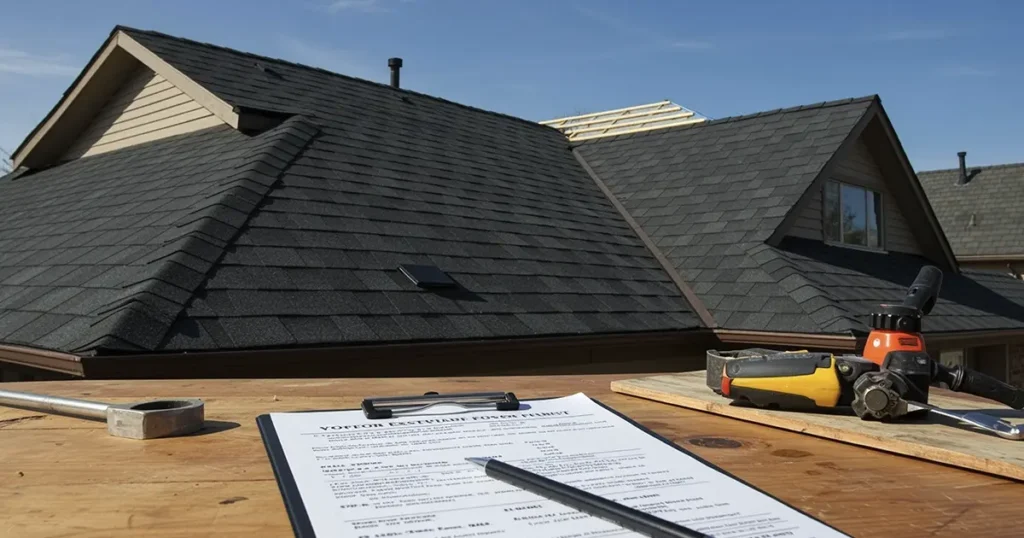
That said, here’s what the data consistently shows. A full roof replacement on a typical single-family home runs somewhere between $8,000 and $25,000, with most asphalt shingle projects landing in the $10,000 to $16,000 range. Larger homes, steeper pitches, or premium materials push that number higher, sometimes significantly.
| Material Type | Typical Replacement Range |
| Asphalt / 3-tab shingle | $7,000 – $14,000 |
| Architectural/dimensional shingles | $10,000 – $18,000 |
| Metal roofing (standing seam or panel) | $15,000 – $30,000+ |
| Slate or tile | $20,000 – $50,000+ |
What moves a project up or down within those ranges? Primarily, four factors:
- Roof size. Roofing is measured in “squares” — each square equals 100 square feet of roof surface. Bigger roof, higher material and labor costs.
- Pitch and complexity. Steep or complex rooflines cost more to work on safely and take longer to complete.
- Tear-off layers. Removing two layers of old shingles costs more than removing one. Some markets have code limits on the number of layers that can be stacked before a full tear-off is required.
- Regional labor market. Installation labor typically represents 40 to 60 percent of a project’s total cost, and it varies meaningfully from market to market.

What’s Actually Included in the Cost of a New Roof
When you receive a quote, it should reflect more than just shingles. A complete roofing system is made up of several components. Knowing what they are helps you evaluate whether you’re comparing apples-to-apples across contractor bids.
Materials
Beyond the shingles themselves, a proper installation includes underlayment (the protective layer beneath the shingles), ice and water shield in freeze-thaw climates, new flashing around chimneys and walls, a ridge cap, and updated ventilation components where needed. If the roof decking, the plywood or OSB beneath the roofing system, shows rot or structural damage, replacement adds to material costs and is non-negotiable for a quality installation.
Labor
Expect labor to represent 40 to 60 percent of your total project cost, depending on your local market and the complexity of the roofing project. This is one of the most significant variables between contractor bids, particularly in areas with high demand and limited roofing capacity.
Tear-Off and Disposal
Removing and hauling away old roofing materials is typically included in a full replacement quote. But confirm this explicitly. Some contractors break it out as a separate line item. Either way, it’s a real cost that belongs in your budget.
Permits and Inspections
Most jurisdictions require a permit for a roof replacement. Costs vary by municipality but typically run from $100 to $500. Reputable contractors pull their own permits as a matter of course. If a contractor suggests skipping the permit process, that’s a meaningful red flag.
Warranties
You’ll have two distinct warranties: the manufacturer’s warranty covering the materials (which can range from 20 years to a lifetime, depending on the product tier) and the contractor’s workmanship warranty covering the installation. Understand both before you sign. A long materials warranty means little if the workmanship warranty is weak.
What’s Typically Not Included
Be aware of potential add-ons that may arise once work begins: structural repairs to damaged rafters, skylight replacement, chimney masonry work, and gutter replacement are common items that fall outside a standard roofing quote. These are legitimate costs — just make sure they don’t arrive as surprises.
Repair or Replace? Start With a Professional Roof Inspection
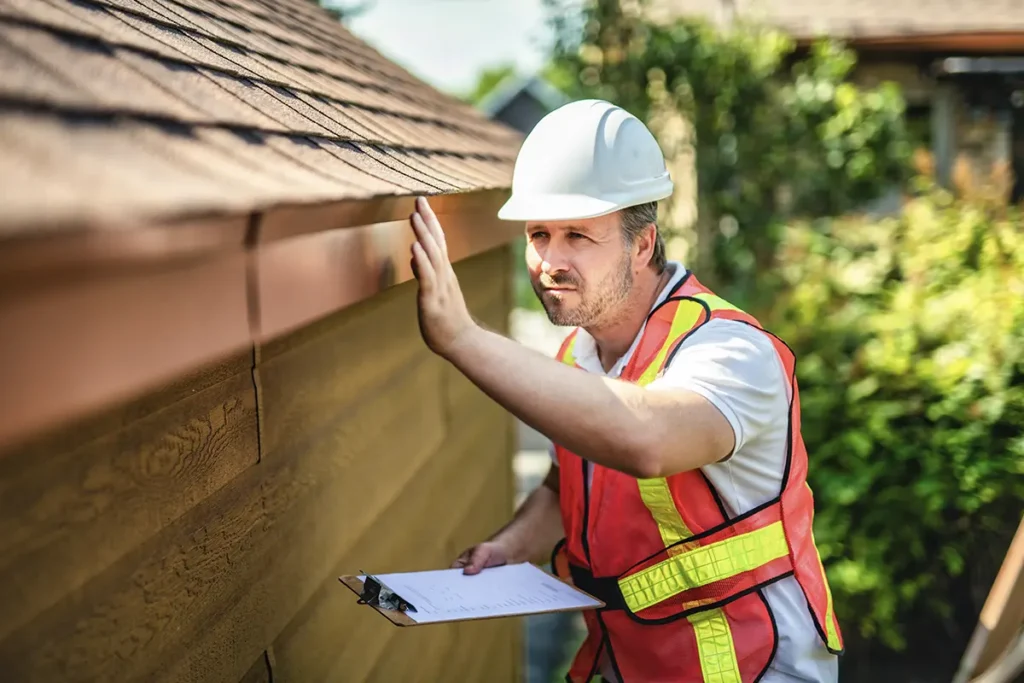
Before you research financing, before you call lenders, before you do anything else, get a professional roof inspection. It’s the step that determines everything that follows.
A contractor who quotes a replacement without first inspecting the roof is guessing. An inspector who finds isolated damage might save you $10,000 or more by confirming that a targeted repair is the smarter call. You can’t make a sound financial decision about a roof you haven’t had assessed.
Signs That Repair May Be Sufficient
- The roof is relatively young, under 10 to 12 years for asphalt shingles
- Damage is confined to a specific, isolated area (such as a single storm-damaged section)
- The underlying roof deck and structural components are sound
- Shingles beyond the affected area still have a meaningful life remaining
Signs That Replacement Is the Wiser Investment
- The roof is 15 to 20 years old or beyond the typical lifespan for its material type
- You’re experiencing repeated leaks that targeted repairs haven’t resolved
- Significant granule loss is visible in gutters and at downspout drainage points
- Multiple areas show widespread wear, curling, cracking, or missing shingles
- The repair cost exceeds 30 to 40 percent of the full replacement cost, at which point you’re spending significantly to extend a limited lifespan
One practical note: lenders and insurance adjusters often request documentation of roof condition when processing financing applications or claims. A written inspection report, and not just a verbal contractor assessment, is worth having before you approach either.
| RELATED GUIDE: For the full treatment of the repair vs. replacement decision, including a cost comparison framework and what to ask your inspector, see: Roof Repair vs. Roof Replacement. |
Will Homeowners Insurance Help Cover the Cost?
Before you explore any financing option, ask this question first: Is any of this covered by insurance?
Many homeowners assume their roof is too old to qualify for a claim, or that insurance only applies to dramatic, obvious events. In reality, the determining factor isn’t age; it’s the cause of the damage.
Homeowners insurance typically covers roof damage that is sudden and accidental: wind damage, hail strikes, falling trees or branches, and similar weather events. It generally does not cover deterioration from age and normal wear, which insurers classify as a maintenance issue rather than a covered peril.
If your area has experienced significant weather in recent months, such as hail, high winds, or ice storms, it’s worth contacting your insurer and requesting a claim inspection, even if your roof appears intact from the ground. Hail damage in particular is often invisible without a trained eye on the roof surface. A claim that covers most or all of your replacement cost is far better than financing the entire project out of pocket.
What Insurance Typically Covers
When a claim is approved, insurance generally covers the cost to restore your roof to its pre-damage condition, minus your deductible. Whether your policy pays on an actual cash value basis (which accounts for depreciation) or a replacement cost value basis (which covers today’s full replacement cost) depends on your specific policy — and it’s worth knowing which you have before you need it.
| RELATED HUB: For a complete guide to filing a roof insurance claim, understanding what adjusters look for, and navigating the process from first call to final payment, see our Storm Damage, Insurance & Your Roof resource hub. |
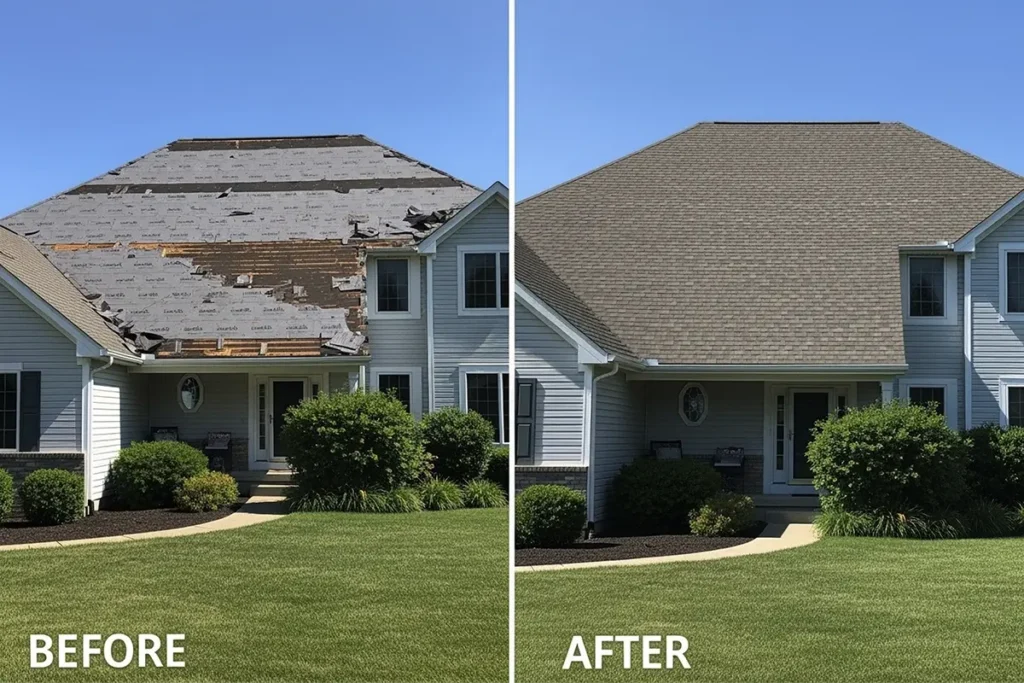
Does a New Roof Add Value to Your Home?
Before we get into financing options, it’s worth reframing the conversation. A roof replacement isn’t purely an expense. It’s one of the few home improvement investments that consistently delivers a measurable return.
National remodeling cost vs. value data consistently shows that a midrange asphalt shingle roof replacement returns 60 to 70 percent of its cost in resale value, ranking it among the strongest exterior renovation investments a homeowner can make. For buyers, a new roof removes a major negotiating point and can accelerate a sale. For homeowners who aren’t planning to sell, the math is different, but the value is real.
Modern roofing systems, when combined with proper attic ventilation and insulation, can measurably reduce heating and cooling costs over time. Some utility programs and roofing manufacturers offer rebates for energy-efficient products, particularly those meeting the Cool Roof Rating Council (CRRC), and reflective roofing materials designed to reduce heat absorption. Also, some insurance carriers offer premium discounts for newly installed roofs or for impact-resistant shingles — a benefit worth asking your agent about when you’re evaluating material options.
The point is this: when you’re weighing whether to finance a roof replacement, you’re not just weighing the cost of a loan against the cost of a project. You’re weighing it against increased home value, potential energy savings, possible insurance discounts, and the ongoing costs — financial and otherwise — of a deteriorating roof.
| RELATED GUIDE: For a deeper look at ROI by material, market-level resale data, and how to make the most of your roofing investment, see: Does a New Roof Increase Your Home’s Value? |

Roof Financing Options: The Full Landscape
There are more ways to finance a roof than most homeowners realize. The right option depends on your equity position, credit profile, timeline, and comfort with risk. Here’s an honest overview of each path.
Home Equity Loans
A home equity loan gives you a lump sum at a fixed interest rate, repaid in fixed monthly payments over a set loan term. Because your home secures the loan, interest rates are typically lower than unsecured alternatives. This is a strong option for homeowners with substantial equity who want predictability — you know exactly what you owe each month for the life of the loan. The risk is real: your home is the collateral. Don’t borrow more than you can comfortably service.
Home Equity Line of Credit (HELOC)
A HELOC functions more like a credit card secured by your home equity — you draw what you need, when you need it, up to your approved limit, rather than receiving a lump sum. Rates are typically variable, meaning payments can shift over time. HELOCs work well for homeowners who may need to address multiple phases of exterior work, or who aren’t certain of the final project scope. The same collateral risk applies.
Personal Loans
Personal loans are unsecured — no home equity required, and your home isn’t at risk if your situation changes. You borrow a fixed amount, repay it in fixed monthly installments, and the lender’s only recourse is your credit. The tradeoff is interest rate: personal loans typically carry higher rates than home equity products, particularly for credit scores below 720. They’re available through banks, credit unions, and online lenders, and approval timelines can be fast — sometimes 24 to 48 hours.
Roofing Company Financing
Many roofing contractors partner with third-party lenders to offer financing at the point of sale. The convenience is genuine — one conversation, one application, one decision. But convenience doesn’t always mean the best terms. Contractor financing rates and conditions vary widely, and some promotional offers deserve careful reading before signing. (We cover the specific risks in the next section.)
Cash-Out Refinance
A cash-out refinance replaces your existing mortgage with a new, larger one — and the difference is paid to you in cash. If you’re in a position where refinancing at your current rate makes broader financial sense, this can be an efficient way to fund a significant home improvement. But closing costs are substantial — often $3,000 to $6,000 or more — and the math only works in the right rate environment. This isn’t a solution for homeowners who need quick access to funds.
Credit Cards
A true 0% APR promotional credit card — one where no interest accrues during the promotional period — can work for smaller projects if you have a clear plan to pay the balance before the promotion expires. For a full roof replacement, this is a higher-risk strategy unless you have the cash available and are using the card primarily for purchase protection benefits. Note that “no interest if paid in full” and “0% APR” are not the same thing — a distinction we address in the next section.
| RELATED GUIDE: For detailed APR comparisons across loan types, a step-by-step application guide, and worked monthly payment examples, see: How to Pay for a New Roof: Financing Options. |

What to Watch Out For: Protecting Yourself as a Borrower
Most roofing and financing content skips this section. We think that’s a mistake.
The Deferred Interest Trap
Some contractor financing programs advertise “no interest if paid in full within 18 months,” which sounds like a 0% APR offer, but isn’t. With deferred interest, if any balance remains at the end of the promotional period, you’re charged interest on the original full loan amount, retroactively, from day one. Missing the payoff deadline by even a month can result in a substantial unexpected charge. True 0% APR and deferred interest are fundamentally different financial products. Always ask which one you’re being offered, and read the agreement carefully before signing.
Contractor Financing Markups
Some contractors build additional margin into projects where the homeowner is financing through the contractor’s lending partner. The protection is simple: get an independent financing quote alongside the contractor’s offer, and compare both the project price and the financing terms. The right contractor will welcome the comparison.
Prepayment Penalties
Some personal loans and home equity products charge a fee if you pay off the loan before the term ends. If there’s any chance you might come into a lump sum — a tax refund, an inheritance, proceeds from a sale — make sure your loan terms allow early payoff without penalty.
Credit Score Impact When Shopping for Lenders
Formal loan applications trigger hard credit inquiries, which can temporarily lower your credit score. When shopping multiple lenders, use pre-qualification options first — most lenders now offer a soft pull that gives you a rate estimate without affecting your score. Multiple hard inquiries within a 14-to-45-day window (depending on the scoring model) are typically treated as a single inquiry for rate-shopping purposes, but it’s better to know this before you start applying broadly.
Pressure Tactics
Be cautious of any contractor or lender who creates urgency around a financing decision, discourages comparison shopping, or presents terms verbally rather than in writing. Legitimate companies — whether they’re offering roofing work or financing — welcome scrutiny and give you time to review.
How to Prepare Before You Apply for Financing
A little preparation before you approach lenders will save you time, money, and frustration.
Get Your Quotes in Hand First
Lenders want to see what you’re borrowing for. Collect two or three written estimates from licensed, insured contractors before you apply for anything. This gives you a realistic loan amount to target and puts you in a stronger position when comparing offers. You’ll know immediately if a contractor’s financing offer is competitive.
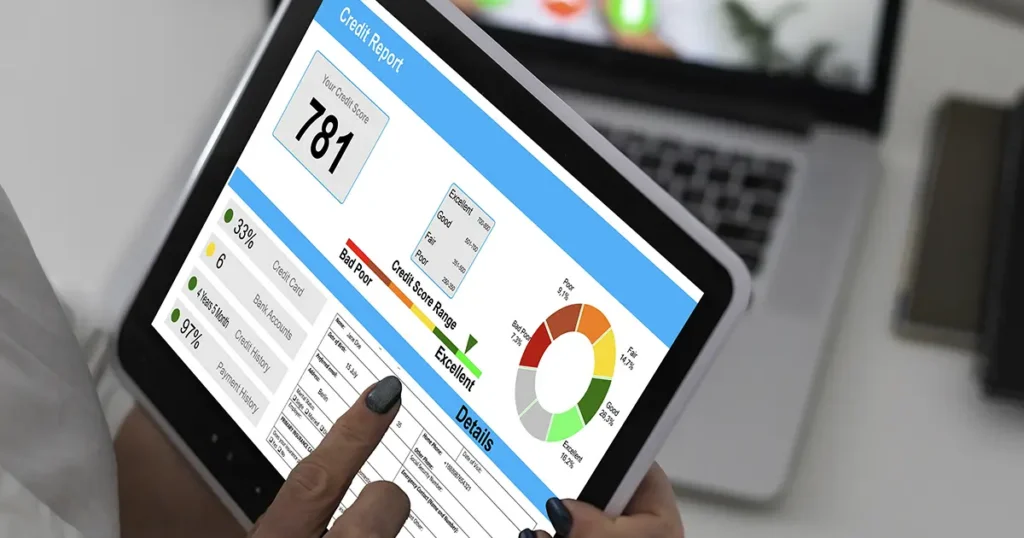
Know Your Credit Score
Most lenders have minimum credit score thresholds, and your score significantly affects your interest rate. Check your score before applying. It’s free through most banks and credit card issuers, so there are no surprises. If your score is lower than you’d like, even 60 to 90 days of focused credit management (paying down revolving balances, disputing any reporting errors) can move it meaningfully before you formally apply.
Gather Your Documentation
Lenders typically ask for recent pay stubs or tax returns, your current mortgage statement if you’re pursuing home equity financing, proof of homeowners’ insurance, and a copy of your contractor estimate. Having these ready before you apply speeds the process and signals that you’re a prepared, organized borrower.
Pre-Qualify Before You Commit
Most lenders now offer pre-qualification through a soft credit pull — a process that returns a rate estimate and preliminary loan terms without affecting your credit score. Pre-qualify with two or three lenders and compare the full picture: interest rate, loan term, monthly payment, origination fees, and prepayment terms. Don’t make your decision based on the monthly payment alone — a lower payment stretched over a longer term often costs significantly more in total interest.

Emergency Situations: When Your Roof Can’t Wait
Not every roofing decision comes with the luxury of time. If you’re dealing with an active leak, significant storm damage, or a roof that’s failing in real time, the playbook changes — but the fundamentals still apply.
Stop the Damage First
Contact a reputable roofing contractor immediately and ask about emergency tarping or a temporary patch to stop water intrusion while you arrange financing and a full inspection. The cost of an emergency service call is far lower than the cost of water damage to ceilings, framing, insulation, and interior finishes.
Document Before Any Work Begins
Take comprehensive, date-stamped photographs of the damage before anyone touches the roof. This documentation is essential for an insurance claim, and it protects you in the event of any dispute about the scope of work. Then contact your insurer — your second call, not your last.
Fastest Financing Paths in an Emergency
When speed is the constraint, personal loans through online lenders can return decisions in 24 to 48 hours. Roofing company financing is often same-day or next-day. Home equity products and cash-out refinances are not emergency solutions. They take weeks to close.
One Caution That Bears Repeating
Urgency is a known pressure point for contractors who don’t operate with integrity. Even under time pressure, take five minutes to verify a contractor’s license and insurance, and check their reviews. A legitimate contractor will not penalize you for doing basic due diligence.

Your Roof Decision Checklist
Decision Checklist
Before you sign anything, work through this list in order:
☑ Schedule a professional roof inspection and get a written findings report.
☑ Contact your homeowners insurance company to determine whether any damage may be covered before you finance anything.
☑ Get two or three written estimates from licensed, insured roofing contractors.
☑ Decide between repair and replacement based on inspection findings and cost comparison.
☑ Check your credit score and understand your home equity position before financing shopping.
☑ Pre-qualify with at least two lenders and compare the full loan package — not just the monthly payment.
☑ Read all financing agreements in full before signing — look specifically for deferred interest language, prepayment penalties, and promotional rate expiration dates.
☑ Consider the long-term value and energy efficiency impact of your material choice before finalizing.

You’ve Done the Research. Now, let’s look at Your Roof.
If you’re in Columbus, Cleveland, Cincinnati, or anywhere across our Able Roof Ohio service area, you’ve already done the hard part. You know what a roof replacement actually costs, what drives the price up or down, and what your financing options look like. That puts you well ahead of most homeowners when they first pick up the phone.
The next step is straightforward: let Able Roof take a look.
We’ll do a thorough, no-obligation inspection and give you a clear, honest picture of what’s going on with your roof, and what your realistic options are. No pressure to move forward. No upsell. Just a straight assessment from a team that’s been doing this in Ohio for decades.
If questions come up about cost, materials, or financing, we’ll talk through them with you. We’d rather you make a confident, well-informed decision than a rushed one, even if that means the timing isn’t right today.
Frequently Asked Questions
Can the interest on a roof loan be tax-deductible?
Sometimes. And it’s worth asking your tax advisor before you commit to a financing product. If you’re using a home equity loan or HELOC for a roofing project, the interest may be deductible under the home mortgage interest rules, provided the funds are used to “buy, build, or substantially improve” the home. A full roof replacement typically qualifies as a major investment in that sense; a minor repair may not meet the threshold. Personal loans and contractor financing, being unsecured, generally don’t carry this benefit. The potential deduction can meaningfully affect your true net cost of financing, a variable many homeowners never factor into the comparison.
What happens if my roofing project costs more than the original quote?
Cost overruns are more common than most homeowners expect, particularly when tear-off reveals deteriorated decking or damaged structural components that weren’t visible during the initial estimate. If you’ve already closed on a fixed roof loan for the quoted amount, you have a few options: some lenders will consider a supplemental loan if you’re in good standing, contractor financing may have room to adjust, or you may need to cover the gap with a short-term credit card. The cleanest protection is to build a 10 to 15 percent contingency into your financing target from the start — borrowing slightly above the quote so that costly repairs discovered mid-project don’t stall the work or leave you scrambling.
Does roof size affect which financing products I can actually qualify for?
Yes, in a practical way, many borrowers don’t anticipate. Lenders set both minimum and maximum loan amounts. And for a smaller roof repair or a modest home, the project cost may fall below the threshold for some home equity products entirely. At the other end, a large or complex job on a substantial home may exceed the ceiling on certain personal loan products, or push you into a bracket where credit requirements tighten considerably. Knowing your approximate project cost before you start shopping for lenders lets you focus on products that are actually sized for your situation, rather than discovering eligibility issues halfway through an application.
Can I negotiate the financing terms that many roofing companies present at the point of sale?
More than most homeowners realize. Many roofing companies work with multiple lending partners and have genuine latitude in how a loan is structured, including term length, which directly determines low monthly payments versus faster payoff. The leverage you bring is a competing offer. If you’ve pre-qualified with an independent lender before sitting down with the contractor, you have a real benchmark. Contractors who offer flexible financing options will often work to match or improve it. The ones who discourage comparison are telling you something worth noting.
Why is roofing so labor-intensive, and does that affect my financing timeline?
Roofing is physically demanding, weather-dependent work that can’t be rushed without quality consequences, which is why experienced crews book out weeks or months in advance, especially during peak season. This matters for financing because the gap between loan approval and project start can be longer than borrowers expect. Most personal loans and home equity products disburse funds at closing, meaning you may be accruing interest while you wait for a contractor slot to open. If your start date is several weeks out, that carrying cost is worth factoring into your loan comparison. Some contractor financing products don’t disburse until work begins, which is a meaningful structural advantage in that scenario.
Will lenders finance a roof repair or only a full replacement?
Lenders don’t typically distinguish between financing a roof repair and financing a full replacement. They evaluate your creditworthiness and the loan amount, not the scope of work. The practical issue is scale: a modest repair costing $1,500 to $2,500 may fall below the minimum loan threshold for home equity products, making those options unavailable regardless of your qualifications. For substantial repairs, such as failed flashing systems, significant storm damage, or large sections of deteriorated decking, a personal loan is usually the most accessible and fastest path. Where the line blurs is when repeated, costly repairs start adding up: at some point, financing a series of repairs that each buy a year or two of life costs more in total than simply financing the replacement would have.
| RELATED HUB: For a complete guide to insurance claims, what adjusters look for, and how to navigate the storm damage process from first call to final payment, see our Storm Damage, Insurance & Your Roof resource hub. |