For Midwest homeowners weighing the cost of a roof replacement, the question isn’t just whether a new roof adds value, it’s whether the investment makes practical sense given your home, your neighborhood, and your timeline. If you’ve been staring at an old roof and wondering whether to replace it before you list, you’re not alone. Many homeowners face this exact decision, and the answer isn’t always straightforward. Here’s what the data shows, and what experienced roofing professionals consistently recommend.
Key Takeaways & Summary:
- Most homeowners recoup 60–70% of roof replacement costs in added resale value
- A new roof strengthens your appraisal and reduces buyer hesitation at inspection
- The right roofing material for your neighborhood matters as much as the material itself
- An aging or damaged roof can lower your appraised value even when the rest of your home is in excellent shape
- Transferable warranties are a documented selling asset that appraisers and buyers both recognize
- Whether full replacement or targeted repair makes sense depends on your roof’s condition and your local market
Table of Contents

Does a New Roof Add Value That Appraisers and Buyers Actually See?
When it comes to your home’s roof, first impressions and hard numbers both matter. A new roof affects home value in two ways that don’t always move together: what an appraiser calculates and what a buyer feels when they pull up to the curb. Understanding both can help you make a smarter decision before you list.
Appraisers look at:
- Roof age, condition, and materials as part of the overall property assessment
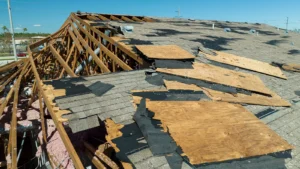
- Whether existing damage, including structural damage from long-term leaks, compromises the home’s integrity
- Documented warranties, both manufacturer and workmanship, as indicators of long-term value
Buyers respond to:
- A roof that signals consistent, responsible home maintenance
- Confidence that a major expense isn’t waiting for them after closing
- Curb appeal: a roof covers roughly 40% of a home’s visible exterior, and worn or aging shingles can raise doubts before a potential buyer ever steps inside
A damaged or aging roof can pull down an appraisal even when the rest of the property is well-maintained. In today’s housing market, that matters more than ever, buyers are cautious, and anything that signals risk can cost you offers. A quality roof addresses both problems at once, giving appraisers a stronger foundation to work from and giving buyers one less reason to hesitate.

What do the Numbers Show About Investing in a New Roof?
Let’s talk numbers, because that’s usually what the decision comes down to. The return on a roof replacement isn’t one-size-fits-all, but industry data gives homeowners a reliable starting point for evaluating how much value a new roof can add.
What the numbers show:
- 60–70% of replacement costs recouped in added resale value, according to Remodeling Magazine’s Cost vs. Value Report
- A new asphalt shingle roof adds an average of $15,000–$20,000 to a home’s resale value nationally
- Homes with new roofs sell faster and with fewer buyer concessions than comparable homes with aging roofs
- A failing roof can reduce an asking price by more than the cost of replacement; buyers factor in both the repair bill and the uncertainty that comes with it
What affects your return:
- Material choice: asphalt shingles deliver the strongest ROI for most Midwest markets; premium materials like metal or slate can add value in the right neighborhoods, but rarely recoup their full cost
- Local market conditions: in competitive markets, a new roof is a differentiator; in slower markets, it’s often the baseline buyers expect before making an offer
- Existing roof condition: replacing a visibly failing roof yields a stronger return than replacing one that still has serviceable life remaining
The full value of a new roof rarely shows up as a single line item on a closing statement. It shows up in stronger offers, fewer concessions, and buyers who don’t walk away after the inspection. For many homeowners, that makes all the difference.
Roofing Materials and Their Impact on Resale Value
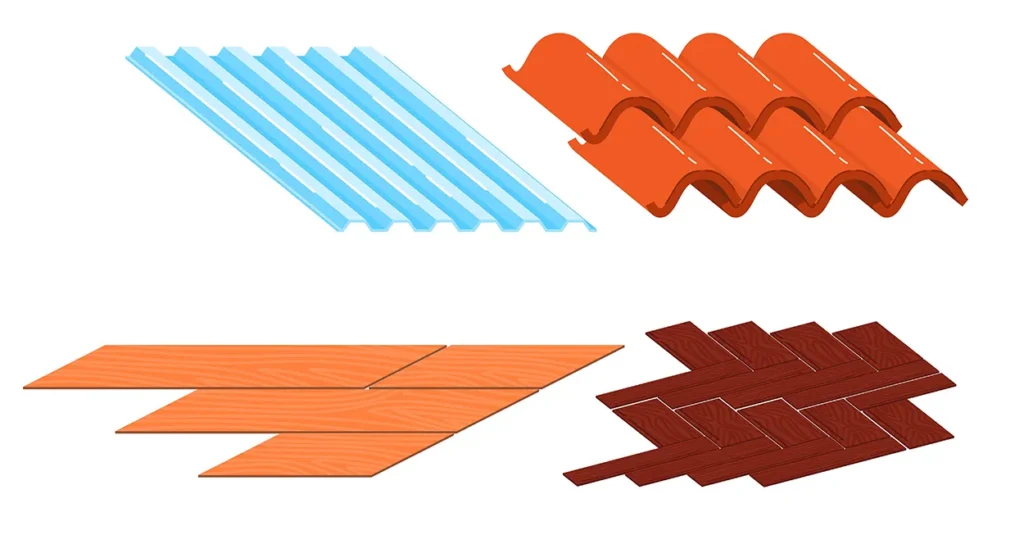
Not all roofing materials deliver the same return. The right choice depends on your neighborhood, your market, and what buyers in your area expect. Choosing the wrong material, even a premium one, can work against you if it doesn’t fit the neighborhood. Here’s what you need to know about each option.
Asphalt Shingles
- The most common roofing material in the U.S. and the most buyer-friendly
- Delivers the strongest ROI for most markets, typically 60–70% of replacement cost
- Widely available, cost-effective, and familiar to appraisers and buyers alike
- Architectural (dimensional) shingles offer better durability and aesthetics than standard 3-tab at a modest price increase
Metal Roofs
- Increasingly popular for durability, energy efficiency, and longevity (40–70 years)
- Adds value in markets where buyers actively seek low-maintenance, long-term solutions
- Higher upfront cost means ROI typically lags behind asphalt in traditional residential markets
- Best suited to homes where the style and neighborhood support the investment
Tile, Slate, and Wood Shingles
- Slate roofs and tile are premium materials that can significantly enhance resale value in the right context
- Most effective in higher-end neighborhoods where buyers expect premium finishes
- Added weight requires structural support; roof installation costs are substantially higher
- ROI is highly market-dependent; consult local comps before choosing a luxury material
Cool Roofs and Energy-Efficient Options
- Designed to reflect heat and lower cooling costs, a real benefit for homeowners dealing with high energy bills in warmer months
- Energy-efficient upgrades like cool roofing are a growing selling point that buyers and appraisers increasingly recognize
- Most effective in markets where summer cooling costs are a known homeowner concern
- Can qualify for energy efficiency incentives that help offset the upfront cost
The bottom line: match your material to your market. A premium roof in the wrong neighborhood rarely recoups its cost, but a well-chosen asphalt system almost always does.
Full Replacement vs. Repair: Which Makes More Sense?
This is the question many homeowners wrestle with most, and the honest answer is: it depends. Not every roofing problem justifies a full roof replacement, but not every roof repair is the right call either. The decision hinges on your roof’s age, the extent of the damage, and how soon you plan to sell.
Choose full replacement when:
- Your roof is 20+ years old and showing widespread wear
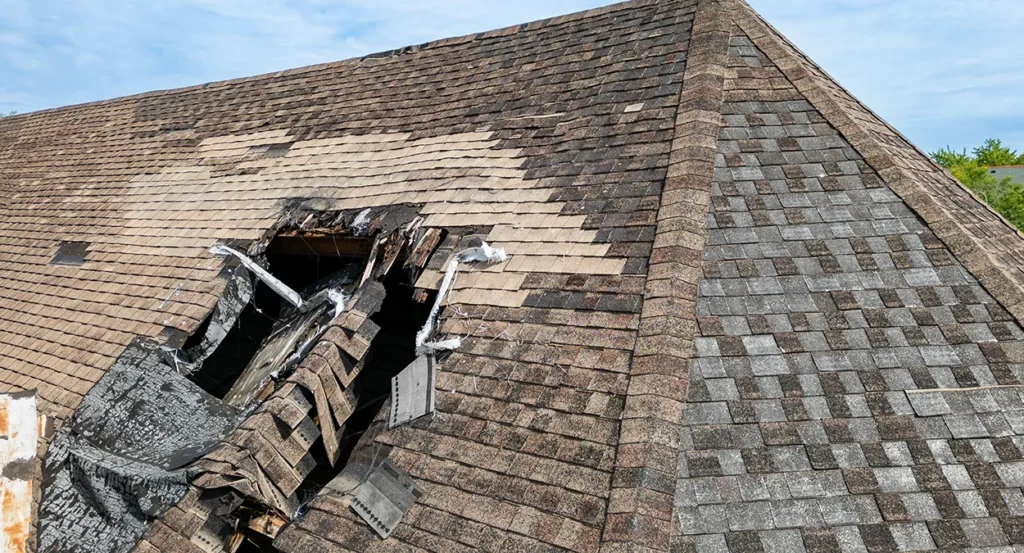
- You have multiple problem areas: active leaks, missing shingles, granule loss, or visible sagging
- A buyer’s lender requires it as a condition of financing
- Roof repair costs would exceed 50% of the full replacement cost
- You want the marketing advantage and appraisal support that a new roof provides
Choose repair when:
- Damage is isolated: a few missing or cracked shingles, minor flashing failure
- Your roof has 5–10 years of serviceable life remaining
- A professional inspection confirms the underlying structure is sound
- The cost of repair is modest relative to your expected sale price
The partial re-roofing caution:
Patching or replacing shingles in sections can create a visual mismatch; new shingles rarely blend seamlessly with weathered ones. If the work is visible from the street, it can raise questions with potential buyers rather than resolve them. An old roof with obvious patchwork can signal poor condition just as clearly as a failing one. Factor appearance into the repair-vs-replace decision, not just cost.
When in doubt, inspect first. A professional roof inspection typically costs $150–$400 and gives you the documentation to make a confident decision: a targeted repair, a full replacement, or leaving the roof as-is and pricing accordingly.
When to Replace Your Roof Before Selling
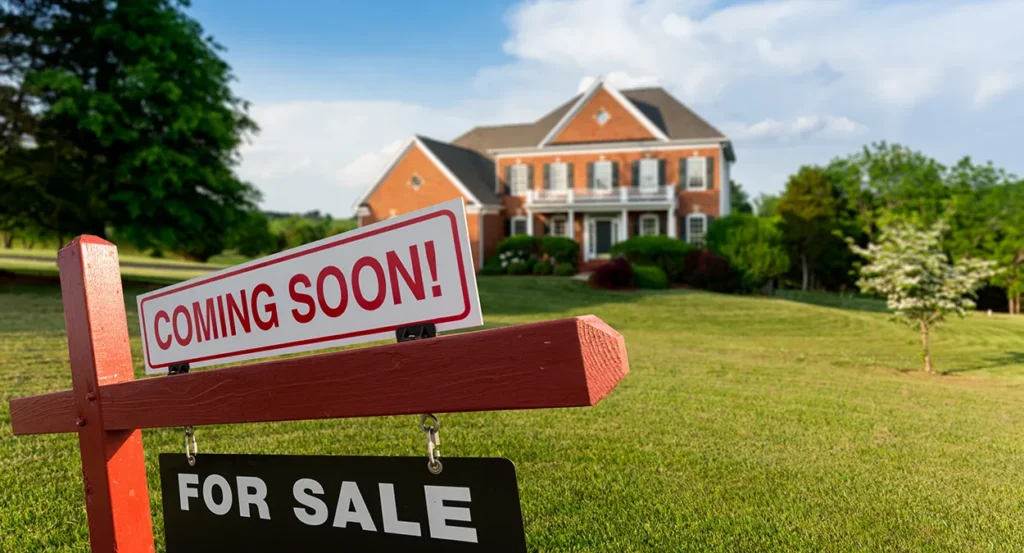
Timing a roof replacement around a home sale requires balancing upfront cost against buyer expectations, lender requirements, and real estate market conditions. If you’re unsure whether your home’s roof needs attention before you list, here are the clearest signals.
Clear signs replacement makes sense before listing:
- Shingles are cracked, curling, buckling, or missing in multiple areas
- Granule loss is visible in gutters or on the ground, a sign that shingles are near the end of their life
- There are active leaks or evidence of water intrusion in the attic or on ceilings
- The roof is 20–25 years old, regardless of visible condition
- A pre-listing inspection flags the roof as a likely buyer or lender concern
Lender and buyer expectations matter:
- FHA and VA loans have strict roof condition requirements; a roof in poor condition can kill a deal at the financing stage
- Most buyers request a roof inspection as part of due diligence; a troubled report invites renegotiation
- Buyers who spot a problem roof often either walk away or submit offers well below the asking price
On timing:
- Replace 1–3 months before listing: early enough for installation to be complete and documented, late enough that the roof looks fresh in listing photos
- Secure all permits, warranties, and contractor documentation before going to market, these are selling tools, not just paperwork
When replacement isn’t necessary:
- Your roof has a clean inspection report and a meaningful life remaining
- Minor issues can be repaired cleanly without a visible mismatch
- Your market supports pricing the home as-is with appropriate disclosure
The goal isn’t always a new roof. It’s removing the roof as an objection in the buyer’s mind.
How Local Market Conditions Affect Your Roofing ROI
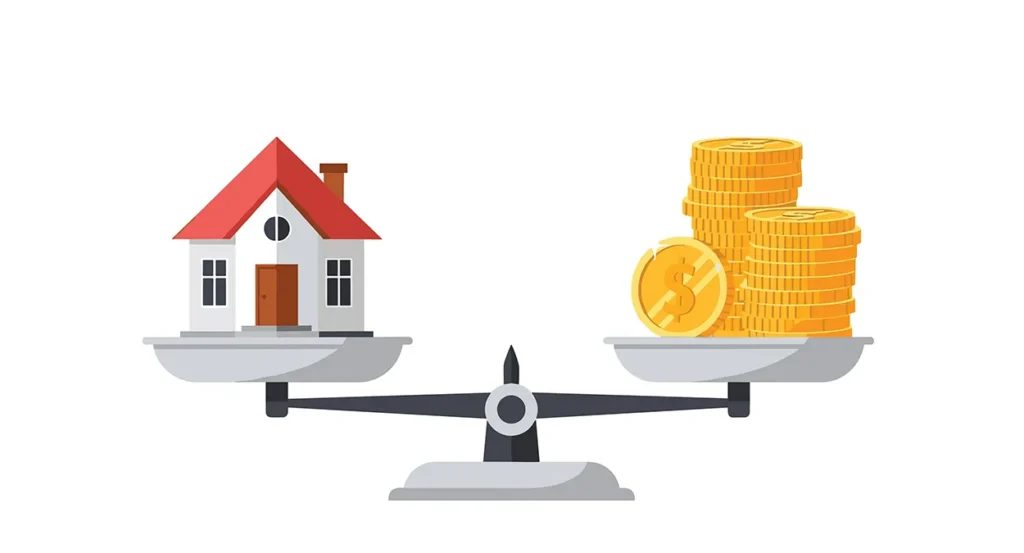
A new roof doesn’t add value in a vacuum. What your specific market rewards, and what it simply expects, determines how much of that investment you recover at closing. The real estate market in your area shapes this conversation more than most homeowners realize.
In a seller’s market:
- Buyer demand is high, and inventory is low; a new roof becomes a differentiator, not just a baseline expectation
- Homes with documented upgrades attract stronger offers and fewer contingencies
- ROI on replacement tends to be higher because competition reduces buyer leverage to negotiate down
In a buyer’s market:
- A new roof is more often a floor than a ceiling; buyers expect it, but won’t necessarily pay a premium for it
- Replacement can be the difference between a home that sells and one that sits
- Pricing a home with an aging roof in a slow housing market invites aggressive lowball offers
What to consult before deciding:
- A local real estate agent familiar with your neighborhood’s buyer expectations
- Recent comparable sales: Did similar homes sell faster or at higher prices with new roofs?
- A local appraiser who can give you a realistic estimate of value added in your specific market
On timing:
- In any market condition, replace 1–3 months before listing, not years ahead, when the benefit has already depreciated in buyer perception
- Document everything: permits, warranties, contractor credentials, and installation date
- Use the new roof actively in your listing: photos, descriptions, and agent talking points
A roof replacement is a strategic investment, not just a maintenance decision. The return depends as much on when and where you sell as it does on what you install.
How to Maximize Your Roof Replacement ROI
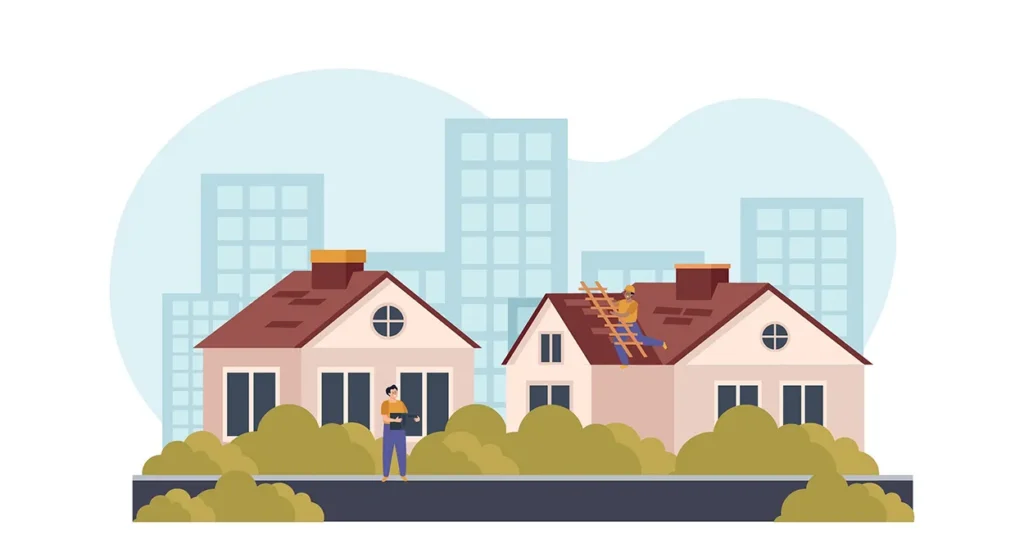
A new roof is only as valuable as the decisions made around it. The right contractor, materials, documentation, and presentation can meaningfully improve your return, and make your home’s roof one of the strongest selling points in your listing.
Before the project:
- Get at least three itemized quotes from licensed, insured roofing contractors
- Verify credentials: manufacturer certifications like Owens Corning Platinum Contractor status signal a higher standard of installation quality and accountability
- Pull all required permits; unpermitted roof installation can complicate a sale and void warranties
- Choose shingle color and style to boost curb appeal and match neighborhood expectations
During and after installation:
- Confirm the warranty terms in writing: both the manufacturer’s material warranty and the contractor’s workmanship warranty
- Ensure the warranty is transferable to the new owner; non-transferable warranties have significantly less resale value
- Photograph the installation process and the completed roof; these images serve as marketing assets and documentation
- Keep all receipts, permits, and contractor paperwork in a single file you can hand to a buyer or appraiser
When listing the home:
- Include new roof details in the MLS listing: material, manufacturer, installation date, and warranty terms
- Brief your real estate agent on the specs so they can speak to them confidently during showings
- Provide the full documentation package to the appraiser at the time of assessment; don’t assume they’ll ask for it
The transferable warranty is your most underused selling tool. A 30- or 50-year manufacturer warranty that passes to the buyer is a concrete, documented assurance that most sellers never mention, and most buyers notice when they do.
Selling? Here’s a Practical Framework to Determine if You Need a New Roof
For most homeowners preparing to sell, the answer is yes, with conditions. A new roof rarely returns dollar-for-dollar at closing, but its full value goes well beyond the appraisal number. Think about what it costs when a buyer walks away, demands a concession, or can’t get financing because of the roof condition. Those losses are real, even when they’re hard to see on a spreadsheet.
- A new roof is worth it when:
- Your current roof is 20+ years old or has visible damage that will surface in a buyer’s inspection
- Roof repair costs are substantial relative to full replacement
- Your market is competitive, and buyers expect move-in-ready conditions
- Lender requirements make an aging roof a deal risk
- You want to eliminate the roof as a negotiating point before it becomes one
A new roof may not be necessary when:
- A professional inspection confirms meaningful remaining life
- Damage is isolated and can be repaired cleanly
- Your market and price point support selling as-is with appropriate disclosure
- The cost of replacement exceeds what your market will return
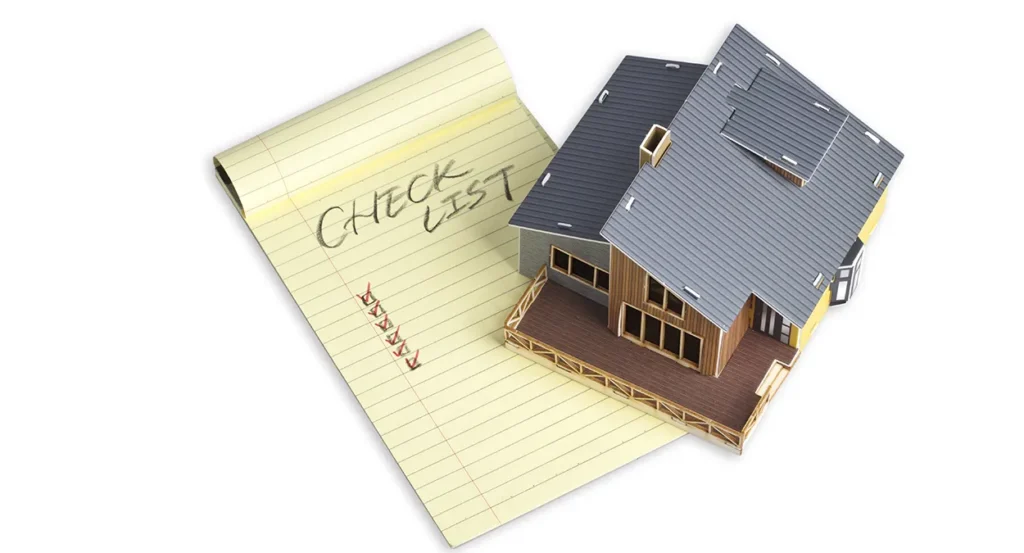
The decision framework:
- Get a professional inspection; know exactly what you’re working with
- Consult a local real estate agent on buyer expectations in your market
- Get itemized replacement and repair quotes before deciding
- Weigh total cost against avoided concessions, faster close, and appraisal support, not just the sticker price increase
The strongest case for a new roof isn’t always what it adds to your sale price. It’s what it removes: buyer hesitation, lender conditions, inspection contingencies, and the negotiating leverage a troubled roof hands to every buyer who walks through the door.

Ready to Protect Your Home’s Value? Able Roofing Can Help.
Ohio homeowners in Columbus, Cleveland, and Cincinnati have trusted Able Roofing for expert craftsmanship and honest assessments for decades. As an Owens Corning Platinum Contractor, Able Roofing meets the highest standards for installation quality, product knowledge, and customer care, credentials that carry real weight with buyers and appraisers alike.
Whether you’re preparing to sell, dealing with an aging roof, or simply want to protect your home’s long-term value, our team will give you a straightforward assessment and a detailed estimate at no cost. And right now, there’s even more reason to act: Able Roofing is currently offering up to $1,000 off qualifying full roofing, siding, and window replacements, plus0% interest financing for 6 years on approved credit, making it easier than ever to invest in your home without straining your budget.
No pressure, no guesswork, just experienced guidance, real savings, and flexible financing from a roofing company your neighbors have relied on for years. Visit our Special Offers and Financing pages to learn more, or contact Able Roofing today to schedule your free inspection and estimate.